
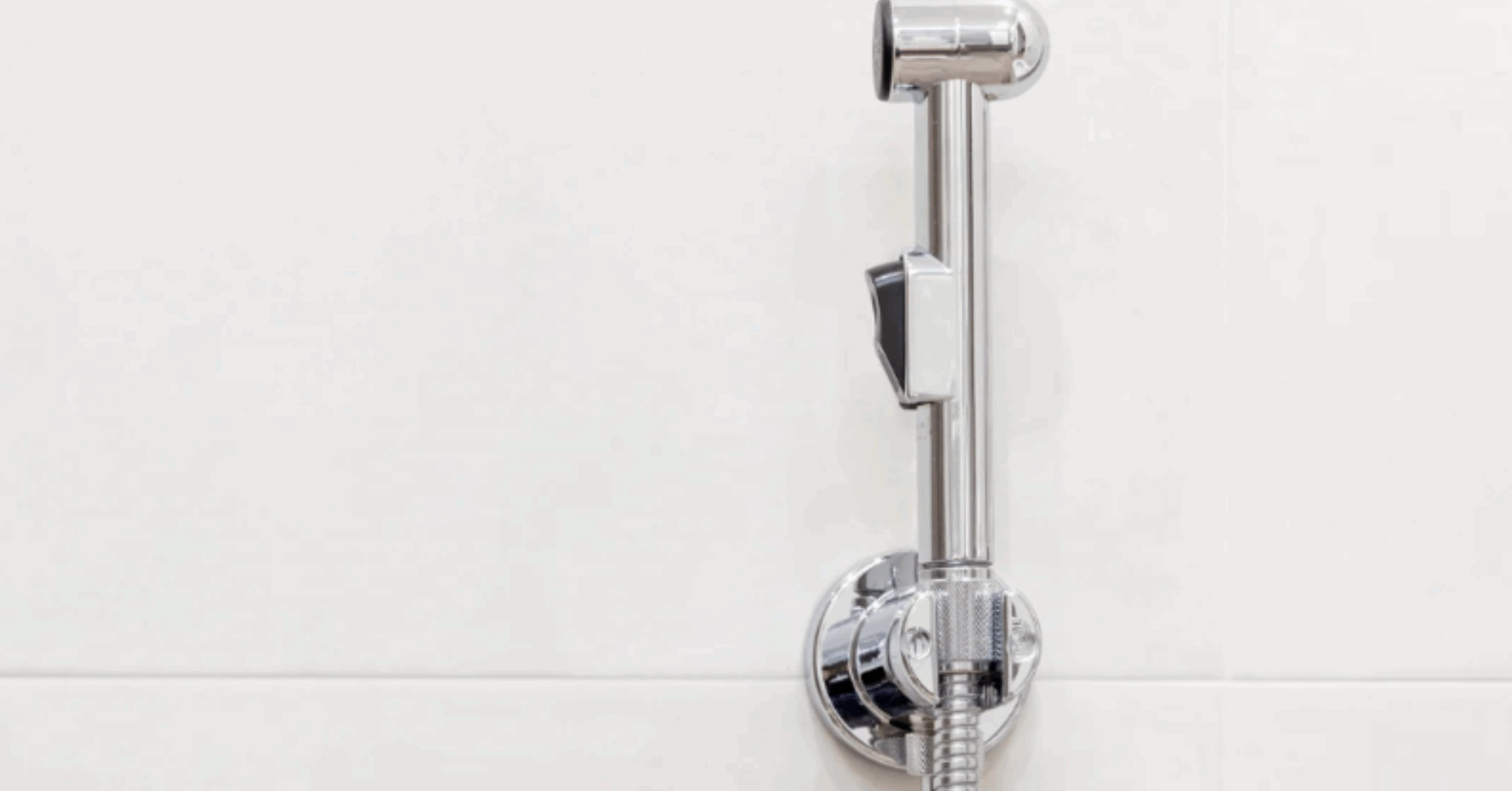
A Complete Guide to Bidet Spray Installation for a More Hygienic Bathroom
When it comes to enhancing bathroom hygiene and comfort, one of the simplest yet most effective upgrades is a Bidet Spray Installation This small but powerful fixture can completely transform the way you approach personal cleanliness, offering a fresher and more hygienic experience compared to relying solely on toilet paper. Many homeowners are now making the switch, appreciating both the health benefits and the eco-friendly advantages. If you’ve been considering adding a bidet spray to your bathroom, this guide will walk you through everything you need to know before getting started.
Why Choose a Bidet Spray?
Bidet sprays—sometimes called handheld bidets or bum guns—are incredibly popular in many parts of the world for good reason. They offer a gentle, water-based cleaning method that’s both more thorough and more comfortable than paper.
Here are some key benefits:
-
Improved hygiene – Water cleans more effectively than paper alone, reducing bacteria and potential irritation.
-
Eco-friendly – Less toilet paper means less waste, helping the environment.
-
Cost savings – Reduced paper use means lower ongoing expenses.
-
Comfort – Especially helpful for individuals with sensitive skin, medical conditions, or mobility challenges.
Understanding Your Options Before Installation
Before starting the process, you need to decide which type of bidet spray best fits your needs. While all models serve the same purpose, they differ in style, material, and functionality.
-
Handheld Bidet Sprays – The most common type, offering flexibility and ease of use.
-
Integrated Toilet Seat Bidets – These replace your toilet seat entirely and come with built-in water spray nozzles.
-
Warm Water Sprays – A more luxurious option that connects to both cold and hot water for temperature control.
Each has its pros and cons. Handheld sprayers are affordable and easy to retrofit, while integrated seats often offer additional features like adjustable spray pressure and self-cleaning nozzles.
Tools and Materials You’ll Need
For a standard Bidet Spray Installation, you typically need:
-
A bidet spray kit (including hose, sprayer head, and T-valve connector)
-
Adjustable wrench or spanner
-
Teflon tape (for leak prevention)
-
Towels (to catch any water drips)
Most kits come with all necessary parts, but it’s always worth double-checking before starting.
Step-by-Step Installation Guide
Here’s a simplified process for installing a handheld bidet spray:
1. Shut Off the Water Supply
Locate the shut-off valve behind your toilet and turn it clockwise to stop water flow. This is essential to prevent leaks or flooding during the process.
2. Disconnect the Toilet’s Water Supply Hose
Using an adjustable wrench, carefully loosen the connection where the water supply hose meets the toilet tank. Have a towel ready for any remaining water in the line.
3. Install the T-Valve Connector
Attach the T-valve between the toilet tank inlet and the water supply hose. This valve will divert water between the toilet and the bidet spray. Wrap the threads with Teflon tape before tightening to prevent leaks.
4. Connect the Bidet Hose
Attach one end of the bidet hose to the T-valve’s spray outlet. Connect the other end to your bidet sprayer head.
5. Turn On the Water Supply and Test
Slowly open the shut-off valve and check for leaks. Test the spray’s pressure to ensure it’s functioning properly.
Common Mistakes to Avoid
While the installation process is straightforward, beginners often make avoidable errors:
-
Over-tightening connections – This can damage fittings or cause leaks.
-
Skipping Teflon tape – Increases the risk of slow drips over time.
-
Not checking for compatibility – Ensure your bidet kit matches your toilet’s water connection type.
Maintaining Your Bidet Spray
Like any plumbing fixture, a bidet spray requires some maintenance to keep it in top condition:
-
Wipe down the handle and nozzle regularly to prevent buildup.
-
Check hose connections every few months for signs of wear.
-
Turn off the shut-off valve when not in use for extended periods, reducing pressure on the hose.
Addressing Common Concerns
“Is a bidet spray messy?”
Not if used correctly. With proper technique, water is directed precisely where it’s needed.
“Does it use a lot of water?”
No. A typical spray uses significantly less water than the amount needed to produce toilet paper.
“Is it safe for all toilets?”
Most modern toilets can accommodate a handheld spray with the right fittings. However, always check your manufacturer’s guidelines.
When to Call a Professional
While many homeowners successfully complete a Bidet Spray Installation themselves, there are times when hiring a plumber is the better choice. If your water supply setup is unusual, if you need to connect to hot water lines, or if you’re uncomfortable with plumbing tools, a professional can ensure a safe and leak-free result.
The Long-Term Value of a Bidet Spray
A well-installed bidet spray isn’t just a small upgrade—it’s a lifestyle improvement. Over time, it can save you money, reduce your environmental footprint, and improve your personal comfort and hygiene. Considering the relatively low cost and ease of installation, it’s one of the most worthwhile bathroom enhancements you can make.
Final Thoughts
Investing in a bidet spray is an investment in personal health, environmental responsibility, and long-term comfort. Whether you opt for a DIY approach or hire a professional, understanding the process makes it far less intimidating. The key is proper preparation, the right tools, and a bit of patience.
With a successful Bidet Spray Installation, you’ll quickly wonder how you ever lived without it. From its hygienic benefits to its eco-friendly nature, this bathroom addition offers advantages far beyond its modest size. Once installed, it becomes a daily luxury you’ll appreciate for years to come.